
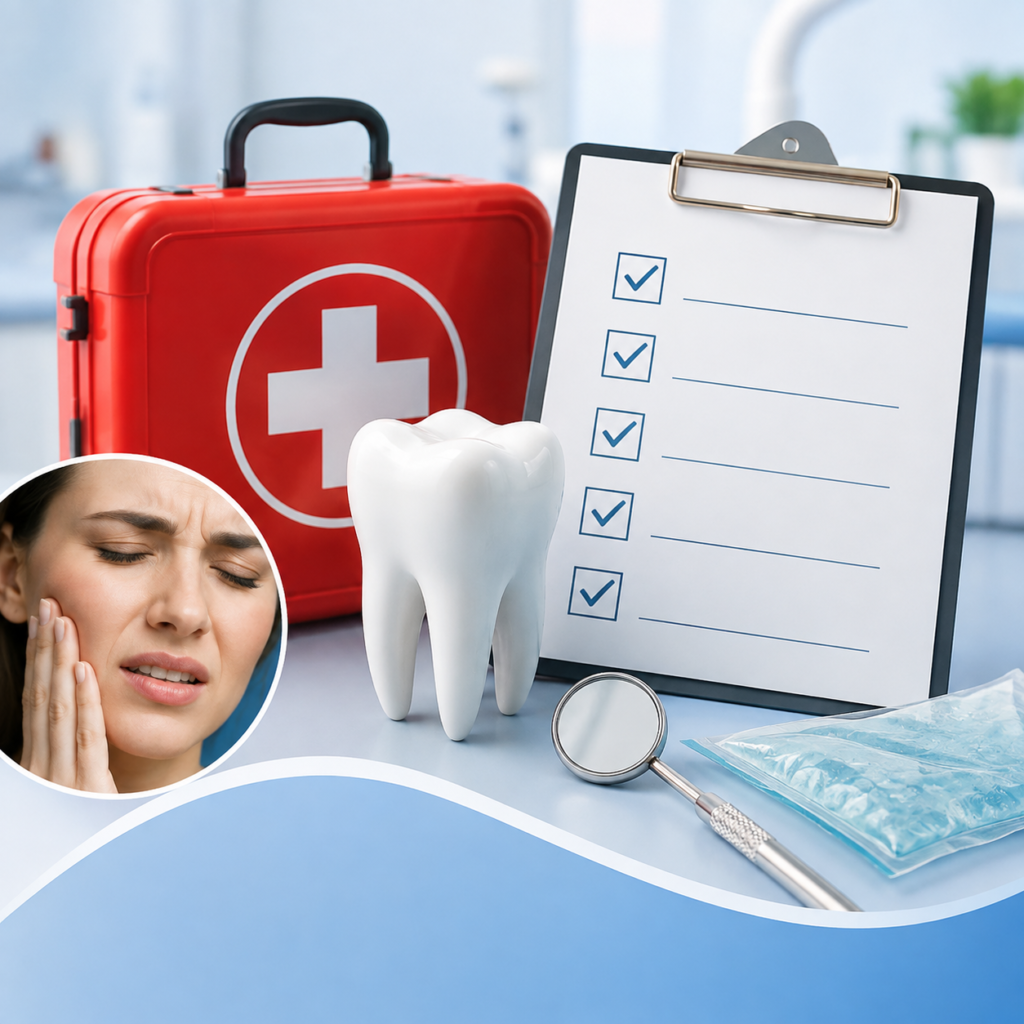
A dental emergency can happen when you least expect it. A sudden toothache, a broken tooth, swelling around the gums, or an injury during sports or daily activities can quickly become stressful. Knowing what steps to take before reaching a dentist can help protect your oral health and reduce the chance of further damage.
Many people delay dental care because they are unsure whether their situation is serious enough to require urgent attention. However, some dental problems need immediate treatment to prevent complications. Understanding common dental emergencies and knowing when to seek professional help can make a significant difference in protecting your smile.
This dental emergency checklist is designed to help Etobicoke patients recognize urgent dental concerns, understand what actions to take, and know when it is time to contact a dental professional for same-day dental care.
What Is Considered a Dental Emergency?
A dental emergency is any situation involving your teeth, gums, or mouth that causes severe pain, bleeding, swelling, infection, or the risk of permanent damage. While some dental concerns can wait for a regular appointment, others require quick attention to prevent the problem from becoming more serious.
Dental emergencies are not limited to accidents or injuries. A severe tooth infection, a damaged filling, or sudden swelling can also require urgent dental treatment. Ignoring these problems may lead to increased discomfort, more complex procedures, or damage that could have been prevented with early care.
If you are experiencing intense pain, facial swelling, uncontrolled bleeding, or a dental injury, it is important to contact a dentist as soon as possible.
Common Dental Emergencies That Require Immediate Attention
Severe Tooth Pain or Sudden Toothache
A sudden or severe toothache is one of the most common reasons people seek emergency dental care. Tooth pain can develop because of deep cavities, damaged teeth, infections, or problems affecting the inner part of the tooth.
While temporary pain relief may help you manage discomfort for a short time, it does not address the cause of the problem. A dental professional can examine the affected area, identify the source of the pain, and recommend the right treatment.
If your tooth pain becomes stronger, affects your daily activities, or does not improve, you should schedule an urgent dental appointment instead of waiting.
Broken, Cracked, or Chipped Tooth
A cracked or broken tooth can occur because of an accident, biting something hard, or untreated dental issues that weaken the tooth structure. Even if the damage appears small, a crack can allow bacteria to enter the tooth and increase the risk of infection.
If you damage a tooth, rinse your mouth gently with warm water and try to keep any broken pieces. Avoid chewing on the affected side until you receive dental advice.
A dentist can assess the level of damage and determine whether you need a dental filling, crown, bonding, or another treatment option to restore your tooth.
Knocked-Out Tooth
A knocked-out tooth is a serious dental emergency that requires quick action. The sooner you receive treatment, the better the chance of saving the tooth in some cases.
If a permanent tooth falls out, handle it carefully by the crown, which is the visible part of the tooth. Avoid touching the root, rinse it gently if needed, and try placing it back into the socket if possible. If that is not possible, keep the tooth in milk or a tooth preservation solution until you reach a dentist.
Immediate dental care is essential because time plays an important role in managing a knocked-out tooth.
Dental Abscess or Gum Swelling
A dental abscess is an infection that can develop around a tooth or in the gums. It may cause swelling, tenderness, bad taste in the mouth, fever, or severe pain.
Dental infections should not be ignored because they can spread to nearby tissues and create more serious health concerns. Even if the pain decreases, the infection may still be present and require professional treatment.
If you notice swelling around your gums, jaw, or face, contact a dentist promptly for evaluation and treatment.
Dental Emergency Checklist: What You Should Do
When facing a dental emergency, staying calm and taking the right steps can help protect your teeth and reduce discomfort. The following checklist can guide you until you receive professional dental care.
1. Assess the Situation
First, determine what happened and identify your symptoms. Notice whether you have severe pain, swelling, bleeding, a damaged tooth, or an injury. This information will help your dentist understand the urgency of your situation.
Avoid delaying care if the problem is affecting your ability to eat, speak, sleep, or complete normal activities.
2. Keep the Area Clean
Keeping your mouth clean after a dental emergency can help reduce irritation and protect the affected area. Gently rinse your mouth with warm water if needed and avoid putting pressure on an injured tooth.
Do not apply harsh substances directly to your gums or teeth, as this can cause additional irritation.
3. Manage Discomfort Carefully
Over-the-counter pain relief may help reduce discomfort temporarily until you see a dentist. Follow the instructions provided on the medication label and avoid placing pain medication directly on your gums.
Pain management can provide short-term relief, but professional treatment is needed to address the actual cause of the problem.
4. Contact a Dentist for Guidance
The best way to handle a dental emergency is to speak with a dental professional as soon as possible. A dentist can provide advice based on your symptoms and help determine whether you need immediate treatment.
Having access to an emergency dentist in Etobicoke can provide peace of mind when unexpected dental problems occur.
When Should You Visit an Emergency Dentist in Etobicoke?
Many patients wonder whether their dental concern requires immediate attention or if they can wait for a regular appointment. A general guideline is to seek emergency dental care when you experience severe pain, swelling, bleeding, infection symptoms, or damage to your teeth.
You should consider urgent dental care if you have:
- Severe tooth pain that does not improve
- A broken or knocked-out tooth
- Facial swelling related to a tooth problem
- Signs of infection
- Bleeding that does not stop
- A lost dental crown or filling causing discomfort
Even if your symptoms seem manageable, it is better to seek professional advice when you are uncertain. Early treatment can often prevent a minor issue from becoming a more complicated dental problem.
How to Prevent Dental Emergencies
Although not every dental emergency can be avoided, many problems can be reduced with good oral care habits. Regular dental visits allow your dentist to identify early signs of decay, gum problems, and weakened teeth before they become urgent concerns.
Wearing a mouthguard during contact sports can help protect your teeth from injuries. Avoiding habits such as chewing ice, opening packages with your teeth, or biting hard objects can also reduce the risk of tooth damage.
Maintaining daily brushing, flossing, and regular dental checkups can support long-term oral health and lower your chances of experiencing unexpected dental problems.
Why Quick Dental Care Matters During an Emergency
Delaying emergency dental treatment can allow certain problems to become worse. A small cavity can develop into a painful infection, and a minor crack can become a larger fracture that affects the strength of your tooth.
Getting timely dental care helps protect your natural teeth, reduce discomfort, and improve your chances of a simpler treatment process. A dentist can provide a proper examination and create a treatment plan based on your specific needs.
For Etobicoke patients, knowing where to turn during a dental emergency can make the experience less stressful and help you receive care when you need it most.
Get Reliable Dental Emergency Care in Etobicoke
Dental emergencies can be unexpected, but knowing what to do can help you protect your oral health and reduce stress during urgent situations. Whether you are dealing with severe tooth pain, a damaged tooth, swelling, or another dental concern, getting professional care quickly is an important step toward recovery.
At Saranya Dental, we provide personalized dental care for patients in Etobicoke and surrounding communities. Our team focuses on understanding your concerns, providing comfortable treatment, and helping you maintain a healthy smile. If you are experiencing a dental emergency, contact us today to schedule an appointment and receive the care you need.
Frequently Asked Questions
What should I do if I have a severe toothache?
If you have severe tooth pain, avoid delaying dental care. Rinse your mouth gently with warm water, avoid chewing on the painful side, and contact a dentist for an assessment. A severe toothache may be caused by an infection, decay, or damage that requires professional treatment.
Can a broken tooth be repaired?
Yes, many broken teeth can be repaired depending on the extent of the damage. Treatment options may include dental bonding, fillings, crowns, or other restorative procedures. A dentist will examine the tooth and recommend the most suitable solution.
Is a lost filling considered a dental emergency?
A lost filling may require urgent dental attention, especially if it causes pain or sensitivity. The exposed tooth area can become vulnerable to further damage, so it is best to arrange a dental appointment as soon as possible.
How quickly should I see a dentist after a tooth injury?
You should contact a dentist as soon as possible after a tooth injury. Quick evaluation can help prevent further damage and improve treatment options, especially for knocked-out or severely damaged teeth.
Can dental infections go away on their own?
Dental infections usually do not disappear without proper treatment. Even if symptoms temporarily improve, the infection may continue and cause further problems. A dentist can provide the appropriate care to address the source of the infection.
What should I do if my gums or face are swollen?
Swelling around your gums, jaw, or face may indicate an infection or another urgent dental issue. Contact a dentist promptly for advice and avoid delaying treatment.
How can I prepare for a dental emergency?
You can prepare by knowing your dentist’s contact information, keeping basic dental care supplies available, and understanding common emergency steps. Regular dental checkups can also help identify potential problems before they become urgent.