
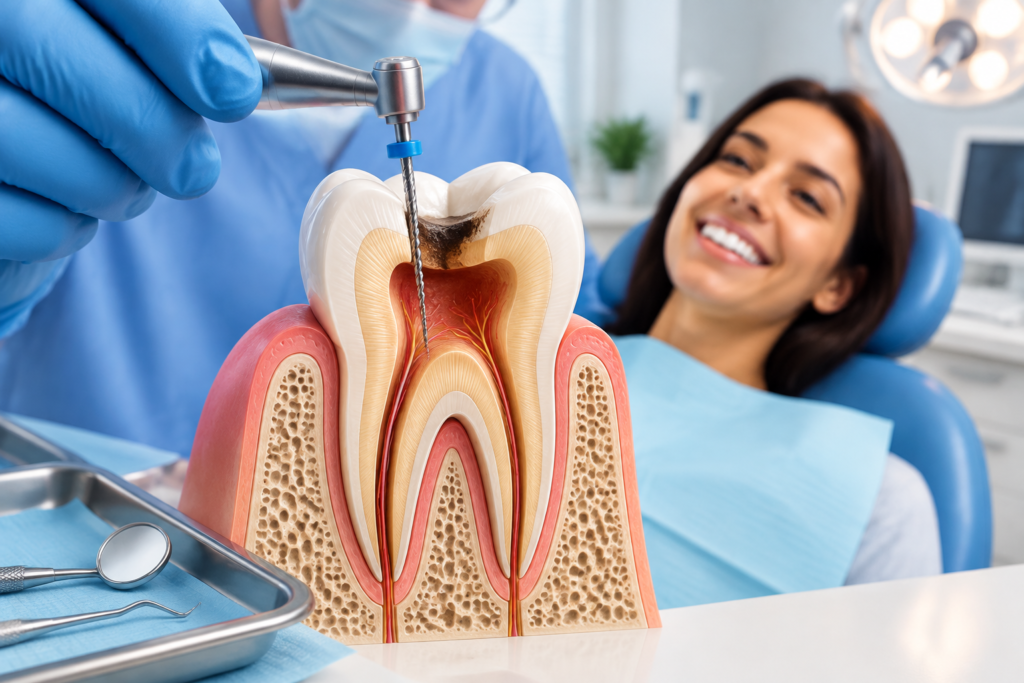
A severe toothache can quickly affect your daily routine. Simple activities such as eating, drinking, or even speaking may become uncomfortable when a tooth is damaged or infected. While many people worry that a painful tooth means it needs to be removed, modern dentistry often provides a better solution. Root canal treatment is designed to remove infection, relieve pain, and preserve your natural tooth whenever possible.
Despite being one of the most common dental procedures, root canal treatment is still surrounded by misconceptions. Many people believe it is painful or complicated, but advances in dental techniques and anesthesia have made the procedure much more comfortable than in the past. In many cases, patients experience relief from pain rather than discomfort during treatment.
If you are searching for information about root canal treatment in Etobicoke, understanding the procedure, benefits, recovery process, and expected costs can help you make an informed decision about your oral health.
What Is Root Canal Treatment?
Root canal treatment is a dental procedure that removes infected or damaged tissue from inside a tooth. At the center of every tooth is a soft tissue called the dental pulp. This pulp contains nerves, blood vessels, and connective tissue that help the tooth develop during its early years.
When the pulp becomes infected because of deep decay, repeated dental procedures, trauma, or a cracked tooth, bacteria can spread inside the tooth and eventually reach the surrounding bone. Without treatment, the infection may worsen, causing severe pain, swelling, and even tooth loss.
During root canal treatment, the infected pulp is carefully removed, the inside of the tooth is cleaned and disinfected, and the canals are sealed to prevent future infection. The treated tooth is then restored with a filling or dental crown to protect its strength and function.
Why You May Need Root Canal Treatment
Not every toothache requires a root canal, but certain symptoms may indicate that the inner pulp has been damaged or infected.
Common signs include:
- Persistent tooth pain that does not improve
- Sensitivity to hot or cold that lingers after the temperature is removed
- Pain while chewing or biting
- Swollen or tender gums near the affected tooth
- A small pimple-like bump on the gums
- Darkening or discoloration of a tooth
- Swelling around the jaw or face
Sometimes, an infected tooth may not cause noticeable pain during the early stages. Regular dental examinations help identify problems before they become more serious.
Common Causes of Tooth Pulp Infection
The pulp inside a tooth is well protected by enamel and dentin. However, when these protective layers are damaged, bacteria can enter the tooth and cause infection.
Some of the most common causes include deep tooth decay, untreated cavities, cracked or fractured teeth, repeated dental procedures on the same tooth, severe tooth wear, and injuries that damage the tooth without causing visible cracks.
Treating these problems early often prevents the infection from spreading and reduces the need for more extensive dental treatment.
The Root Canal Treatment Procedure
Many patients feel less anxious once they understand exactly what happens during root canal treatment. The procedure is carefully planned to eliminate infection while preserving the natural tooth.
Initial Examination
The first step involves a comprehensive dental examination. The dentist evaluates your symptoms, performs a clinical assessment, and takes digital X-rays to determine the extent of the infection. These images help identify the affected canals and surrounding bone.
The examination also confirms whether root canal treatment is the most appropriate option for saving the tooth.
Local Anesthesia
Before treatment begins, the tooth and surrounding tissues are numbed using local anesthesia. Modern anesthetic techniques ensure that patients remain comfortable throughout the procedure.
Many people are surprised to discover that a root canal is no more uncomfortable than receiving a routine dental filling.
Removing the Infection
Once the area is numb, the dentist creates a small opening in the tooth to access the infected pulp. Specialized instruments are used to carefully remove the damaged tissue from each root canal.
The canals are then cleaned, shaped, and disinfected to eliminate bacteria and reduce the risk of future infection.
Filling the Root Canals
After cleaning, the empty canals are filled with a biocompatible material that seals the space and prevents bacteria from re-entering the tooth.
This sealing process is an important step because it helps protect the tooth from future infection.
Restoring the Tooth
Most teeth that receive root canal treatment require additional protection. Depending on the amount of remaining tooth structure, the dentist may recommend either a permanent filling or a custom-made dental crown.
A dental crown restores the tooth’s strength and allows it to function normally during everyday activities such as chewing and speaking.
How Long Does Root Canal Treatment Take?
The length of treatment depends on the complexity of the tooth and the severity of the infection. Many root canal procedures can be completed in one or two appointments.
Molars often require additional treatment time because they contain multiple root canals, while front teeth generally have fewer canals and may be completed more quickly.
Proper healing continues after treatment, but most patients can return to their normal daily activities within a short period.
Benefits of Root Canal Treatment
Root canal treatment offers several advantages compared with removing the affected tooth. Preserving your natural tooth helps maintain proper chewing function, protects neighboring teeth, and supports long-term oral health.
One of the greatest benefits is pain relief. The procedure removes the source of infection, allowing inflammation to resolve and reducing discomfort. Saving the natural tooth also prevents shifting of surrounding teeth, which can occur after tooth loss.
Maintaining your natural tooth generally requires less future treatment than replacing a missing tooth with a bridge or dental implant. With proper restoration and regular dental care, a root canal-treated tooth can continue functioning for many years.
Is Root Canal Treatment Painful?
This is one of the most common questions patients ask.
Modern root canal treatment is designed to relieve pain, not cause it. Local anesthesia keeps the area comfortable throughout the procedure, and most patients report that the experience feels similar to having a dental filling.
Some mild tenderness after treatment is normal because the surrounding tissues need time to heal. This discomfort usually improves within a few days and can often be managed with over-the-counter pain medication if recommended by your dentist.
What Affects the Cost of Root Canal Treatment?
The cost of root canal treatment varies because every tooth and every patient has different treatment needs. Factors such as the location of the affected tooth, the severity of the infection, the complexity of the root canal system, and whether a dental crown is needed can all influence the total cost.
Front teeth usually have fewer root canals and may be less complex to treat than premolars or molars, which often contain multiple canals. If the tooth has extensive damage or requires additional procedures before restoration, the overall treatment cost may increase.
During your consultation, your dentist will examine the affected tooth, explain the recommended treatment, and provide a detailed estimate so you understand every stage of your care.
Recovery After Root Canal Treatment
Most patients recover quickly after root canal treatment and are able to return to their normal daily routine the following day. Although the treated tooth and surrounding tissues may feel slightly tender for a few days, this discomfort gradually improves as the inflammation subsides.
The healing process is usually straightforward when patients follow the aftercare instructions provided by their dentist. Avoiding unnecessary pressure on the treated tooth while it heals also helps promote a smooth recovery.
If discomfort becomes severe or swelling increases after several days, you should contact your dentist for further evaluation.
Tips for a Smooth Recovery
Proper aftercare plays an important role in protecting your treated tooth and supporting long-term success.
Maintain good oral hygiene by brushing twice daily and cleaning carefully between your teeth. Continue flossing gently around the treated area while avoiding excessive pressure if the tooth feels sensitive.
Choose softer foods during the first day or two after treatment and avoid chewing directly on the treated tooth until your permanent restoration has been completed. Hard, sticky, or crunchy foods may place unnecessary stress on the tooth before it has been fully restored.
Attending your scheduled follow-up appointments is equally important. These visits allow your dentist to monitor healing and ensure the final restoration is functioning properly.
Choosing the Right Dentist for Root Canal Treatment in Etobicoke
When selecting a dental clinic for root canal treatment, experience, accurate diagnosis, and patient-centered care are important considerations. A thorough examination, modern diagnostic technology, and clear communication help ensure the procedure is planned carefully and performed comfortably.
A dentist who takes time to explain your treatment options, answer your questions, and provide personalized aftercare instructions helps create a more positive treatment experience. Choosing a trusted local dental clinic also makes follow-up visits and ongoing dental care more convenient.
Conclusion
Root canal treatment is one of the most effective ways to save a severely damaged or infected tooth while relieving pain and restoring normal function. Rather than removing the tooth, the procedure eliminates infection from within the tooth and protects it for many years with the appropriate restoration.
Understanding the treatment process, expected recovery, benefits, and cost allows you to make informed decisions about your oral health. Seeking treatment as soon as symptoms appear also helps prevent more extensive dental problems in the future.
Restore Your Oral Health with Confidence
If you are experiencing persistent tooth pain, sensitivity, or signs of dental infection, the experienced team at Saranya Dental is here to help. We provide comprehensive root canal treatment using modern techniques and personalized care to preserve your natural teeth whenever possible.
Schedule your consultation today and take the first step toward relieving pain and protecting your smile.
Frequently Asked Questions
1. How do I know if I need a root canal treatment?
Persistent tooth pain, prolonged sensitivity to hot or cold, swelling around the gums, pain while chewing, or a darkened tooth may indicate an infection inside the tooth. A dental examination and digital X-rays are needed to confirm whether root canal treatment is necessary.
2. How long does root canal treatment take?
Many root canal procedures can be completed in one or two appointments. The exact treatment time depends on the location of the tooth, the number of root canals, and the severity of the infection.
3. Is it better to have a root canal or remove the tooth?
Whenever possible, saving your natural tooth is the preferred option. Root canal treatment preserves normal chewing function, maintains jawbone health, and prevents neighboring teeth from shifting. Tooth extraction often requires additional restorative treatment to replace the missing tooth.
4. Can I eat after a root canal?
Yes. It is generally recommended to wait until the numbness wears off before eating. Soft foods are usually the most comfortable choice during the first day, and chewing on the treated tooth should be avoided until the final restoration is placed.
5. How successful is root canal treatment?
Root canal treatment has a very high success rate when performed correctly and followed by proper restoration. With good oral hygiene and regular dental care, a treated tooth can remain healthy and functional for many years.
6. Can a tooth become infected again after a root canal?
Although uncommon, reinfection is possible if the restoration becomes damaged, new decay develops, or bacteria enter the tooth through cracks or leakage. Regular dental checkups help identify problems early and protect the long-term success of the treatment.