
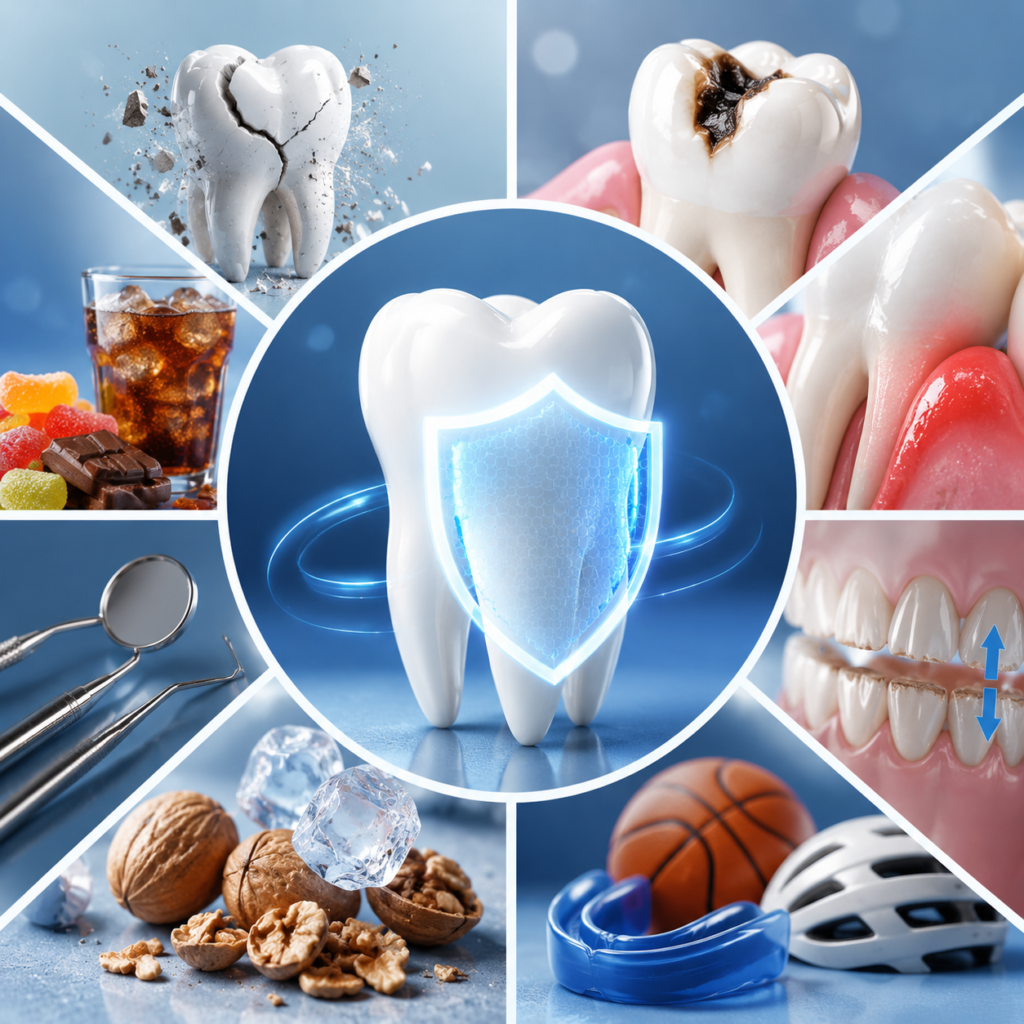
Dental emergencies can strike unexpectedly, causing pain, anxiety, and sometimes serious complications if not treated promptly. Understanding the common causes of dental emergencies and learning how to prevent them can save you discomfort, time, and costly dental procedures. In this blog, we explore the most frequent reasons people face urgent dental issues and practical tips to avoid them.
1. Tooth Decay and Cavities
Tooth decay remains one of the leading causes of dental emergencies. When bacteria in the mouth produce acids that erode enamel, cavities form. If untreated, cavities can lead to severe pain, infection, or even tooth loss, sometimes requiring emergency root canal therapy.
Prevention Tips:
- Brush twice daily with fluoride toothpaste.
- Floss regularly to remove plaque between teeth.
- Limit sugary and acidic foods.
- Visit your dentist every six months for routine check-ups.
2. Gum Disease
Gum disease, or periodontal disease, can escalate quickly if neglected. Early-stage gingivitis often goes unnoticed but can progress to periodontitis, causing gum recession, infection, and tooth instability — potentially leading to emergency extractions.
Prevention Tips:
- Maintain proper oral hygiene with brushing and flossing.
- Use an antiseptic mouthwash to reduce bacteria.
- Schedule regular professional cleanings.
- Avoid smoking, which accelerates gum disease.
3. Tooth Injuries
Accidents, sports activities, or even biting down on hard objects can cause chipped, cracked, or knocked-out teeth. These injuries are sudden and require immediate dental attention to prevent further damage or infection.
Prevention Tips:
- Wear a mouthguard during sports or high-risk activities.
- Avoid chewing hard objects like ice, pens, or hard candies.
- Educate children about safe play habits.
4. Severe Toothaches
A sudden, intense toothache often signals an underlying problem such as an abscess, decay, or cracked tooth. Tooth pain can escalate quickly, disrupting daily life and sometimes causing fever or swelling.
Prevention Tips:
- Do not ignore minor tooth pain; consult your dentist early.
- Maintain good oral hygiene and regular dental check-ups.
- Avoid extreme temperature foods that may trigger sensitivity.
5. Lost or Broken Dental Work
Crowns, fillings, bridges, and veneers can sometimes break or fall out, leaving teeth exposed and sensitive. This can happen due to trauma, decay under the restoration, or simply old age.
Prevention Tips:
- Follow your dentist’s instructions regarding dental restorations.
- Avoid chewing on hard or sticky foods.
- Attend regular dental check-ups to monitor the condition of restorations.
6. Oral Infections and Abscesses
Dental abscesses occur when bacteria infect the tooth pulp or gums, forming a pocket of pus. These infections can spread quickly and may become life-threatening if untreated, requiring emergency care.
Prevention Tips:
- Maintain excellent oral hygiene.
- Treat cavities and gum disease promptly.
- Seek immediate dental attention for persistent pain or swelling.
7. Wisdom Teeth Complications
Impacted or erupting wisdom teeth can lead to severe pain, swelling, and infection. Many people experience sudden discomfort when these molars attempt to emerge, sometimes necessitating urgent extraction.
Prevention Tips:
- Regular dental X-rays to monitor wisdom teeth.
- Remove problematic wisdom teeth early to prevent complications.
- Follow your dentist’s guidance on oral care during eruption.
8. Jaw and TMJ Issues
Injuries, teeth grinding, or TMJ (temporomandibular joint) disorders can cause jaw pain, headaches, and difficulty opening the mouth. While not always an immediate tooth problem, these conditions can escalate into dental emergencies.
Prevention Tips:
- Avoid excessive chewing or clenching.
- Wear a night guard if you grind your teeth.
- Seek professional advice for chronic jaw pain.
9. Accidents and Sports Injuries
Unexpected accidents — car collisions, slips, or sports injuries — can damage teeth, gums, or jaws. Quick response is critical to save teeth and prevent long-term oral issues.
Prevention Tips:
- Always wear a mouthguard during contact sports.
- Exercise caution in daily activities to avoid falls or impacts.
- Keep emergency dental numbers handy for immediate assistance.
10. Poor Oral Hygiene and Neglect
Neglecting routine oral care increases the risk of nearly all dental emergencies. Plaque buildup, cavities, gum disease, and weakened enamel can create a perfect storm for urgent dental problems.
Prevention Tips:
- Brush at least twice daily and floss once daily.
- Visit your dentist regularly for cleanings and exams.
- Educate family members, especially children, about proper oral hygiene.
When to Seek Emergency Dental Care
Not all dental issues require an emergency visit, but these signs indicate immediate attention:
- Severe or worsening tooth pain
- Bleeding that doesn’t stop
- Swelling of the face or jaw
- Knocked-out teeth
- Signs of infection like pus or fever
Prompt dental care can prevent minor issues from escalating into serious emergencies.
Conclusion
Dental emergencies can be frightening, painful, and disruptive, but many are preventable with proper oral care and awareness. Regular check-ups, good hygiene practices, and protective measures can significantly reduce your risk. In case of an emergency, swift action is crucial to preserve your oral health.
For compassionate, professional, and reliable emergency dental services in Toronto, trust Saranya Dental. Their experienced team is ready to handle all urgent dental situations, ensuring patients receive the best care when they need it most.